For ecommerce brands
Turn search demand into orders,
not ad spend.
Calendone finds the products and categories shoppers already search for, shows where your store is close to page one, and writes the guides and category content that lead them to your products.
Your opportunities
From Search Console-
Improve
“kids riding helmets”
Your category page sits at position 11. Clearer, richer category content could reach page one.
-
Create
“how to measure saddle size”
Shoppers search this before buying. No guide on your store answers it or links to your saddles.
-
Link
“leather tack care guide”
Your guide gets visits but never links to the care products you sell.
Why organic traffic matters
Ads rent your traffic. Search lets you own it.
Shoppers research before they buy: they compare products, read guides and now ask AI assistants for recommendations. Stores that rank for those searches win customers every day without paying per click, which protects margins as ad costs climb.
53%
of trackable website traffic comes from organic search, more than any other channel.
+12.9%
rise in the average Google Ads cost per click in 2025, with costs up in 87% of industries.
+693%
growth in AI-referred traffic to US retail sites over the 2025 holidays. Those visitors converted 31% better.
What works
What wins search for online stores
Product pages alone rarely rank for broad searches. Stores that grow organically help shoppers choose, then point them to the right products.
Category pages that rank
Helpful intro copy and answers on the category pages shoppers land on for broad searches.
Buying guides and comparisons
“How to choose”, “X vs Y” and sizing guides that reach shoppers earlier, before they pick a store.
Original product details
Your own descriptions, uses and FAQs instead of the manufacturer text every other store copies.
Links from content to products
Every guide links to the categories and products it talks about, so readers become buyers.
Shopping ads and marketplaces still have their place. Organic search makes you less dependent on them.
The usual options
How online stores usually grow traffic
Paid ads and Shopping
Upside: Fast, measurable sales.
Catch: Click costs keep rising and eat into margins. Traffic stops when the budget does.
Marketplaces
Upside: Huge audiences.
Catch: Fees on every sale, and the customer relationship belongs to the marketplace.
A blog, when there’s time
Upside: Builds content you own.
Catch: Posts are irregular and often unrelated to what people search or what you sell.
An agency
Upside: Specialists handle it.
Catch: Expensive for a small store, with slow feedback on what works.
How Calendone helps
Calendone does the SEO work for your store
 1
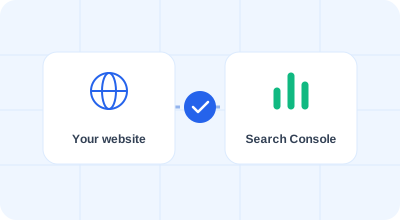
Connect your store
Add your store and Google Search Console. Calendone checks your pages and brings in the product and category searches you already appear for.
 2
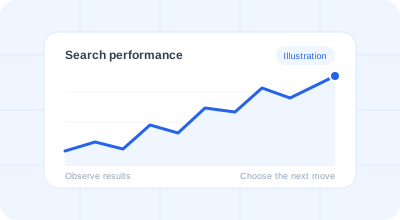
See where you can win
Get the searches close to page one, with impressions, clicks and positions behind each. Searches for your brand name are filtered out.
 3
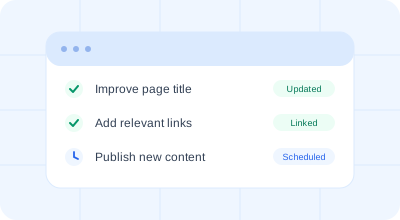
Get content that sells
Calendone researches what ranks today and drafts guides and category content in your brand voice, ready to review and edit before you publish.
A few things to know
Questions, answered.
Does it work with Shopify?
Yes for analysis: any public store can be checked and connected with Google Search Console. Direct publishing to Shopify is not available yet; you copy approved drafts into your store.
Will it change my product pages?
Not on its own. Calendone suggests improvements and creates drafts. You decide what goes live.
Can it write in my brand voice?
Yes. Calendone uses your website and business details to keep drafts on-brand, and you can edit every draft.
How is this different from running ads?
Ads pay for each visit. Content that ranks keeps bringing shoppers without a per-click cost. Most stores use both; SEO lowers how much you depend on ads.
How soon will I see results?
SEO usually takes weeks to months, depending on your store, competition and the work done. Nobody can guarantee rankings, and we don’t.
Can I try it for free?
Yes. The free plan includes one website and one document, so you can see your opportunities and a first draft before paying.
Find the shoppers already searching for you.
Enter your store URL to see your first opportunities.